
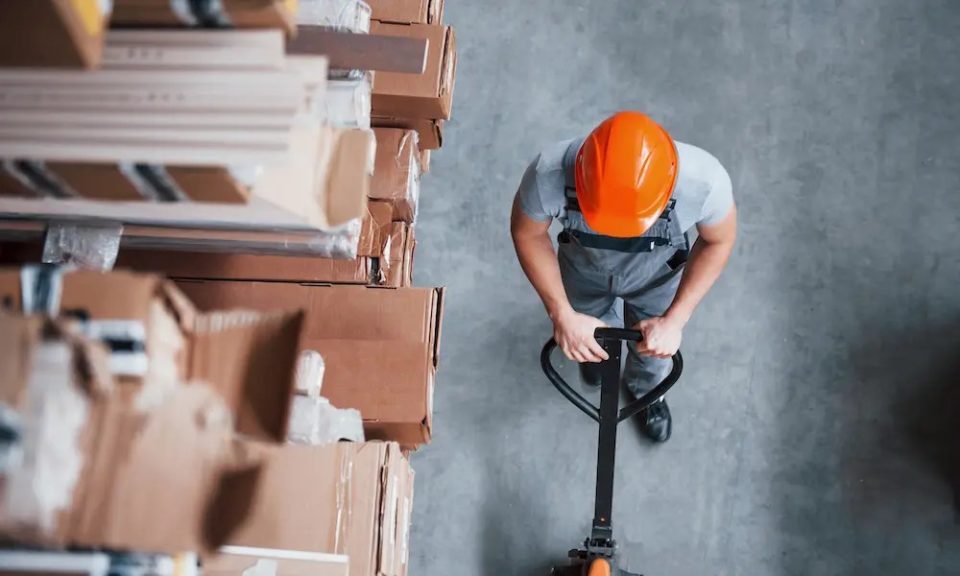
Manual Handling Waterford training equips employees and employers with the skills to lift, carry, and move loads safely in the workplace. With workplace injuries from poor lifting techniques remaining one of the most common causes of lost workdays in Ireland, proper manual handling training is essential. Whether you’re in healthcare, warehousing, construction, or retail, certified manual handling instruction helps reduce injury risk, ensures legal compliance, and builds a safer working culture across Waterford and surrounding counties.
Quick Answer
Manual handling training teaches safe techniques for lifting, pushing, pulling, and carrying loads to prevent musculoskeletal injuries. Key facts: courses typically run 3-4 hours, follow Health and Safety Authority (HSA) guidelines, and combine theory with practical demonstrations. Benefits include reduced injury rates, lower absenteeism, and legal compliance under the Safety, Health and Welfare at Work Act.
Understanding Manual Handling Training
Manual handling Waterford refers to any activity involving lifting, lowering, pushing, pulling, carrying, or moving a load by human effort. In Waterford workplaces, this applies to sectors ranging from nursing homes and hospitals to logistics centres and construction sites.
The training works by teaching participants correct body mechanics, load assessment principles, and use of mechanical aids where appropriate. Courses cover anatomy basics (particularly spinal health), risk factors, and practical lifting demonstrations.
This matters because musculoskeletal disorders (MSDs) remain a leading cause of work-related illness in Ireland. Employers have a legal duty under the Safety, Health and Welfare at Work Act 2005 to provide adequate training, making manual handling courses a compliance necessity as well as a safety measure.
Industry relevance spans almost every sector. Healthcare workers handle patients, retail staff manage stock deliveries, and construction crews move materials daily, all requiring proper technique.
Key Benefits of Manual Handling Training
- Reduced injury risk – Proper technique significantly lowers the chance of back, shoulder, and joint injuries, directly protecting employee wellbeing and reducing sick leave.
- Legal compliance – Completing certified training helps employers meet statutory obligations under Irish health and safety legislation, reducing liability exposure.
- Lower insurance costs – Demonstrable training records can support more favourable workplace insurance terms by showing proactive risk management.
- Improved productivity – Workers using correct techniques experience less fatigue, allowing for more consistent performance throughout shifts.
- Better workplace culture – Visible investment in safety training improves staff morale and signals that employee wellbeing is valued.
- Reduced absenteeism – Fewer manual handling injuries mean fewer days lost, directly benefiting operational continuity.
- Practical risk assessment skills – Employees learn to identify hazardous lifting situations before they cause harm, applicable beyond the workplace too.
Step-by-Step Process for Manual Handling Training
- Assess Training Needs – Identify which roles involve manual handling tasks and the specific loads, environments, and frequency involved.
- Choose a Certified Provider – Select a training provider offering HSA-aligned courses with qualified instructors experienced in your industry sector.
- Complete Theory Module – Participants learn about anatomy, injury causes, legal responsibilities, and risk assessment principles.
- Undertake Practical Demonstrations – Trainees practice correct lifting, carrying, and team-handling techniques under instructor supervision.
- Receive Certification and Review – Upon completion, participants receive certification, and employers should schedule refresher training periodically (typically every 2-3 years).
Important Statistics and Industry Insights
Musculoskeletal disorders consistently rank among the top causes of work-related absence reported to Ireland’s Health and Safety Authority. Sectors such as healthcare, construction, and warehousing report the highest incidence of manual handling injuries due to repetitive lifting and awkward postures.
There’s a growing trend toward blended learning, combining online theory modules with in-person practical assessments, making training more accessible for businesses across Waterford, Kilkenny, and Drogheda. Employers increasingly view manual handling training not just as a legal box-ticking exercise, but as part of broader occupational health strategies that include ergonomic assessments and mechanical aid investment.
Common Mistakes to Avoid
- Treating training as a one-time event – Skills and awareness fade over time; without refreshers, bad habits return, increasing injury risk.
- Ignoring role-specific risks – Generic training that doesn’t address sector-specific loads (e.g., patient handling vs. pallet lifting) leaves gaps in preparedness.
- Failing to provide mechanical aids – Training alone isn’t enough if workplaces lack trolleys, hoists, or other equipment recommended during courses.
- Poor record-keeping – Employers who don’t track certification dates risk non-compliance and may struggle to demonstrate due diligence after an incident.
- Overlooking team-lifting scenarios – Many courses focus on solo lifting but neglect coordinated team lifts, which carry their own risk factors.
Expert Recommendations
Best practice involves integrating manual handling training into broader induction programmes for new staff, ensuring safety awareness from day one. Industry standards recommend refresher courses every two to three years, or sooner if work processes change significantly.
For long-term success, employers should pair training with regular workplace risk assessments and encourage open reporting of near-misses, helping identify hazards before injuries occur.
Frequently Asked Questions
How long does manual handling training take?
Most courses run between 3 and 4 hours, combining classroom theory with hands-on practical sessions.
Is manual handling training a legal requirement in Ireland?
Yes, employers must provide adequate training under the Safety, Health and Welfare at Work Act 2005 where manual handling tasks present injury risks.
How often should manual handling training be refreshed?
Industry guidance generally recommends refresher training every 2-3 years, or sooner if duties or equipment change.
Who needs manual handling training?
Anyone whose job involves lifting, carrying, pushing, or pulling loads, including healthcare staff, warehouse workers, retail employees, and construction crews.
What topics are covered in a typical course?
Courses cover anatomy basics, injury prevention, risk assessment, correct lifting technique, and use of mechanical aids.
Can manual handling training be done online?
Theory components can often be completed online, but practical demonstrations typically require in-person attendance.
Conclusion
Manual Handling Waterford training is a practical, legally important investment for any business where employees lift, carry, or move loads. The main takeaway is simple: proper training reduces injuries, supports compliance, and improves workplace culture. Looking ahead, as workplaces continue prioritising employee wellbeing, manual handling training will remain a foundational element of occupational health strategies across Waterford, Kilkenny, Drogheda, and beyond.
