
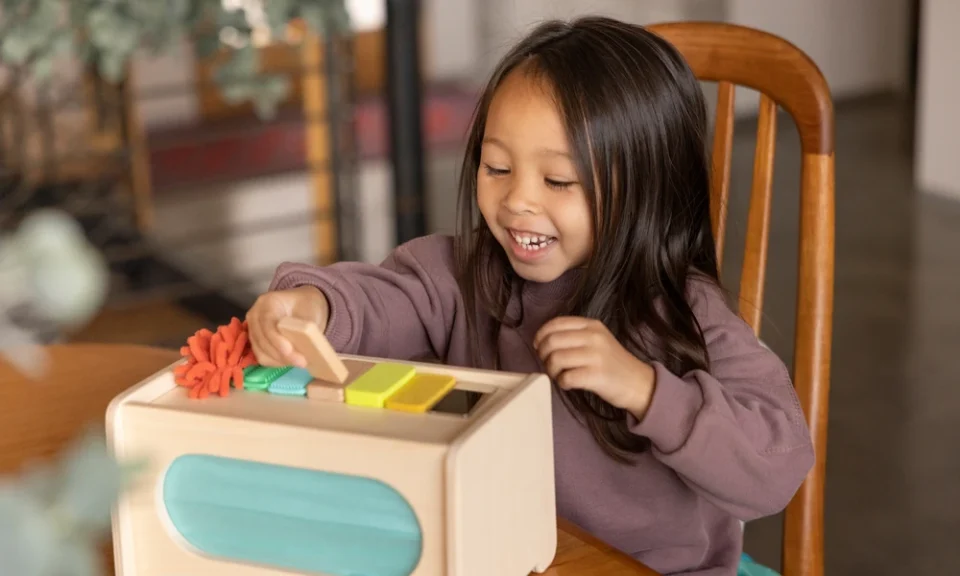
Watch a toddler for a few minutes and you will see a scientist at work. They squeeze, pour, climb, tumble, listen and taste, constantly testing how the world works. Between the ages of two and five, children learn mainly through their senses and their bodies. That is why sensory play and soft play are not simply fun extras in early years education. They are essential building blocks for development.
What Is Sensory Play?
Sensory play is any activity that stimulates a child’s senses: touch, sight, sound, smell, taste, balance and body awareness. It might involve water and sand trays, playdough, textured fabrics, light panels, music or calming lights. A dedicated sensory room brings many of these experiences together in a space designed to invite exploration at a child’s own pace.
The Benefits of Sensory Play
Brain development. Rich sensory experiences help build connections in the developing brain, supporting thinking, memory and problem solving.
Language growth. When children explore textures and sounds, they naturally reach for new words. Describing something as squishy, bumpy, cold or sparkly expands vocabulary in a meaningful way.
Fine motor skills. Pinching, scooping, pouring and moulding strengthen the small muscles in the hands that children later need for holding a pencil, doing up buttons and using cutlery.
Emotional regulation. A calm sensory space can help an overwhelmed child settle. Gentle lights, soft sounds and tactile objects give children a way to reset when big feelings take over.
Inclusion. Sensory environments support children who learn differently, including those who may be sensitive to noise or who seek extra sensory input.
What Is Soft Play?
Soft play areas are padded, safe spaces where children can climb, crawl, roll, balance and jump. They are especially valuable in cities, where garden space can be limited and rainy days are frequent.
The Benefits of Soft Play
Gross motor development. Climbing and balancing build strength, coordination and spatial awareness.
Confidence. Soft play allows children to take small, safe risks, such as climbing a little higher or trying a new route, and to feel proud of their achievements.
Social skills. Shared play encourages turn taking, cooperation and communication as children navigate the space together.
Energy release. Active play helps children burn off energy, which often leads to better focus during quieter activities later in the day.
Getting the Balance Right
The best early years settings combine active and calm experiences across the day. A child might start with a burst of energy in a soft playroom, enjoy fresh air in the garden, then wind down with sensory exploration before story time. This balance helps children stay engaged, regulated and ready to learn.
When you are choosing a nursery, ask whether it has dedicated spaces for both types of play rather than relying on a single multi purpose room.
An Example From Belgravia
Knightsbridge Kindergarten on Eaton Square has built this balance into its setting. The family run nursery and pre school is designed specifically for children aged two to five and includes a soft playroom, a sensory room and a garden, so every child has a fully rounded experience each day. Children at Knightsbridge Kindergarten also enjoy weekly Forest School classes in the gardens of Belgrave Square, adding another layer of sensory, outdoor learning. The nursery is rated Outstanding by Ofsted.
Bringing Sensory Play Home
You do not need special equipment to support sensory learning at home. Try a washing up bowl of water with cups and spoons, homemade playdough, a basket of different fabrics or a kitchen drum kit made from pots and wooden spoons. Cushions on the floor can become an obstacle course in minutes.
Final Thoughts
Sensory play and soft play help young children grow in body, mind and confidence. Whether at home or at nursery, giving children plenty of chances to touch, move and explore lays strong foundations for everything that follows.
